
Prioritize neighborhoods where culinary reputation directly enhances property values—in Montreal, proximity to acclaimed restaurants, specialty markets, and food halls translates to tangible real estate premiums. Start by mapping your budget against neighborhoods with both established food scenes and emerging gastronomic momentum, since early investment in up-and-coming culinary districts offers the strongest appreciation potential. Learn more about how Montreal’s unique blend of French-Canadian food culture creates neighborhood-specific investment opportunities that few other North American cities can match.
Focus your property search on walkability scores around food destinations—condos and townhouses within five blocks of Jean-Talon Market or Atwater Market command 12-15% higher resale values than comparable units further away. Examine not just Michelin-starred establishments but the density of independent bakeries, fromageries, and specialty butchers, which signal neighborhood authenticity that appeals to both residents and future buyers. Montreal’s food-driven neighborhoods offer something most cities can’t: genuine cultural infrastructure where a Saturday morning croissant run or evening apéro isn’t manufactured lifestyle marketing but actual daily reality.
Consider rental income potential from food tourists and culinary professionals—properties near Mile End’s bagel institutions or Plateau’s BYOB corridor generate 20-30% premium short-term rental rates during festival seasons. The city’s bilingual food scene creates year-round demand from both domestic food pilgrims and international visitors seeking authentic Québécois gastronomy, making foodie-focused properties remarkably recession-resistant investments that satisfy both your palate and your portfolio.
Why Food Culture Should Drive Your Neighborhood Choice
Let’s be real—when you’re hunting for a home, most people obsess over square footage and subway proximity. But here’s what savvy Montrealers know: the neighborhood food scene isn’t just about satisfying your cravings. It’s actually one of the smartest indicators of long-term property value and quality of life.
Think about it. Areas with thriving culinary scenes attract exactly the kind of energy that makes property values climb. When a neighborhood draws chefs, restaurateurs, and food entrepreneurs, it signals economic vitality and creative momentum. These are the spots where young professionals want to live, where visitors want to stay, and where developers want to invest. That translates directly to appreciation potential for your property.
But beyond the financial upside, there’s the everyday magic of living where the food is exceptional. Imagine rolling out of bed on Sunday morning and strolling to a café that actually knows how to make a proper croissant. Picture weeknight dinners at top Montreal restaurants just blocks from your door—no metro transfers, no hunting for parking. When your neighborhood feeds you well, life just tastes better.
The walkability factor alone is worth its weight in smoked meat. Food-centric neighborhoods naturally encourage street life and community connections. You’ll bump into neighbors at the marché, discover your new favorite wine bar on an evening walk, and actually know your local fromager by name.
And here’s the bonus: when it’s time to sell, properties in established culinary destinations practically market themselves. Buyers get it immediately—they can envision the lifestyle, the weekend brunches, the dinner parties showcasing the neighborhood’s bounty. That emotional connection? It closes deals.
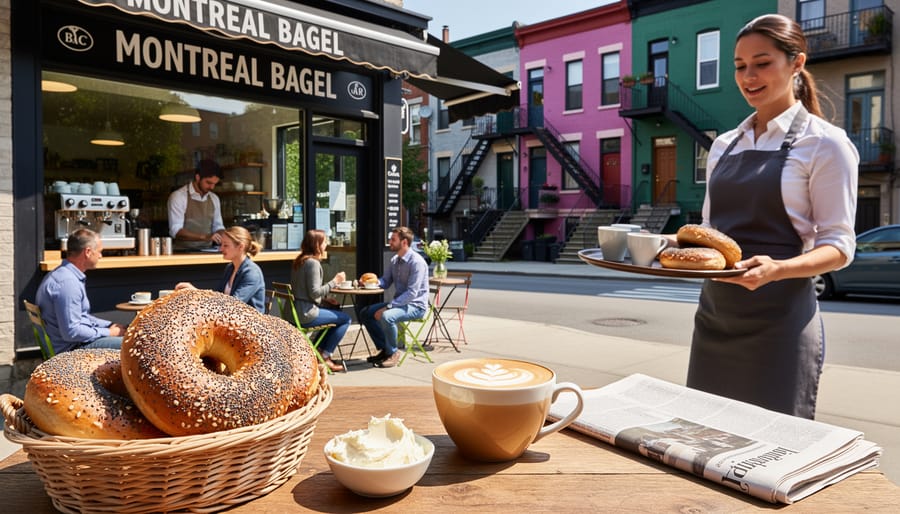
Mile End: Where Brunch Dreams and Property Value Meet
The Food Scene That Never Disappoints
Mile End’s food scene reads like a love letter to Montreal’s culinary diversity, and honestly, it’s one of the biggest reasons foodies are snapping up properties here. Start your day at St-Viateur Bagel or Fairmount Bagel—these institutions have been hand-rolling Montreal’s legendary bagels 24/7 for decades, and the debate over which is better fuels friendly neighborhood arguments. For the best brunch spots, locals line up at Lawrence, where the smoked meat hash is basically a religious experience.
Coffee culture thrives at Café Olimpico, where you’ll find artists sketching over espresso, and Dispatch Coffee, a specialty roaster that takes their beans seriously. When dinner calls, Damas brings elevated Syrian cuisine to the table, while Larry’s serves up natural wine and inventive small plates that change with the seasons. Don’t sleep on Hof Kelsten, a bakery-café hybrid where the Scandinavian-inspired pastries and fermented breads have achieved cult status.
For market lovers, Marché Jean-Talon sits just minutes away, brimming with Quebec produce, artisanal cheeses, and prepared foods that’ll inspire your home cooking. The hidden gem? Drogheria Fine, an Italian grocer and restaurant where the pasta is made fresh daily and the ambiance feels like stepping into a Roman trattoria. This isn’t just a neighborhood—it’s a lifestyle where every block offers another reason to fall deeper in love with Montreal’s food culture.
What You’re Buying Into
Mile End’s property market reflects its status as one of Montreal’s most desirable creative hubs. You’re looking at a mix of charming triplexes, converted industrial lofts, and vintage walk-ups that embody that authentic Montreal vibe. The average condo price hovers around $450,000 to $600,000, while duplexes and triplexes can climb from $800,000 to well over a million, depending on condition and exact location.
The market here stays competitive year-round, with properties often receiving multiple offers within days. What locals call “character buildings” – those gorgeous century-old structures with original hardwood and exposed brick – command premium prices but offer serious charm. Recent trends show young professionals and remote workers snapping up smaller units, while families invest in multi-story properties with rental income potential.
Keep in mind that many buildings here are older, so factor in renovation costs. But here’s the payoff: you’re buying into a neighborhood where bagel shops, farm-to-table restaurants, and specialty food markets are literally part of your daily commute. The food scene isn’t just nearby – it becomes your lifestyle, which makes Mile End properties hold their value remarkably well.
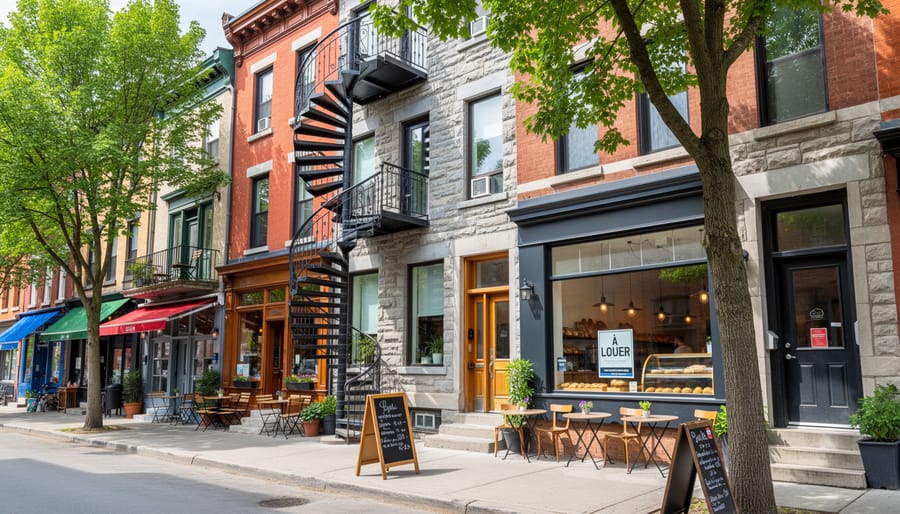
Le Plateau-Mont-Royal: The Culinary Heartbeat
A Food Lover’s Daily Itinerary
Picture this: you wake up in your Plateau apartment, stroll down Avenue Mont-Royal, and grab a fresh-baked croissant from a corner boulangerie before your workday even begins. This is the reality when you call this neighborhood home.
Your morning might start at one of the exceptional coffee shops dotting Rue Saint-Denis, where baristas know your usual order by week two. By lunchtime, you’re spoiled for choice between authentic Vietnamese pho on Saint-Laurent, artisanal bagels that rival any New York claim, or a quick bite at one of the countless terrasses that transform every sidewalk into a dining destination come summer.
The beauty of living here isn’t just the variety, it’s the everyday accessibility. That Tuesday evening craving for Portuguese grilled chicken? Five-minute walk. Date night calling for natural wine and small plates? You’ve got options on every block. Weekend brunch with friends? The only challenge is choosing between the dozen spots within stumbling distance of your front door.
The Plateau’s food scene operates on a locals-know-best philosophy. Sure, you’ll find the Instagram-worthy spots, but the real gems are the family-run taquerias, the hole-in-the-wall BYOB Italian joints, and the late-night shawarma stops that become your post-evening ritual. Living here means your kitchen becomes optional, your neighborhood becomes your pantry, and every meal is an opportunity to discover something new.
Real Estate Reality Check
Let’s talk real numbers, because Le Plateau’s food scene comes with a price tag that reflects its popularity. Property availability here is competitive – like really competitive. You’re looking at average condo prices ranging from $450,000 to $700,000, depending on size and exact location. Victorian-style duplexes and triplexes, if you can snag one, typically start around $800,000 and climb quickly from there.
Here’s the insider scoop: the streets closest to Mont-Royal Avenue and Saint-Denis command premium prices because you’re literally steps from the best restaurants and cafés. But savvy foodie buyers are discovering slightly better deals on the eastern edges near Papineau or venturing toward Mile-Ex, where the culinary scene is exploding and prices haven’t quite caught up yet.
Timing matters too. Spring is wild with multiple offers becoming standard, so consider shopping during the quieter winter months when you’ll have more negotiating power. Pro tip from local agents: look for properties near upcoming food halls or market developments – these areas typically appreciate faster. And don’t sleep on buildings with commercial ground floors; having a bakery or bistro downstairs might actually boost your property value while feeding your foodie soul daily.
Little Italy: Authentic Flavors, Real Value
Beyond the Stereotypes: What’s Actually Cooking
Sure, Montreal’s food scene goes way beyond smoked meat and poutine (though we’ll never say no to either). The modern culinary landscape here is a beautiful mess of Italian nonnas serving handmade pasta in family-run spots that’ve been around since the 1950s, alongside Vietnamese pho joints, Korean BBQ, and some seriously impressive Middle Eastern bakeries that’ll ruin store-bought pita for you forever.
Little Italy remains the heartbeat of authentic Italian cuisine, where you can still find old-school espresso bars and trattorias tucked between contemporary wine bars and the craft beer scene that’s exploded in recent years. But here’s the thing: Jean-Talon Market anchors the whole neighborhood. It’s not just a tourist attraction; locals actually shop there year-round. Saturday mornings mean fresh produce from Quebec farms, artisanal cheeses, and the kind of tomatoes that make you understand why Italians get so passionate about ingredients.
The newer wave includes Ethiopian restaurants in Côte-des-Neiges, Portuguese grills on the Plateau, and experimental tasting-menu spots that change weekly based on what’s available. Third-wave cafés are everywhere now, run by people who care way too much about water temperature and bean origin, which honestly makes your morning coffee taste incredible.
What makes Montreal special is accessibility. You’re never more than a five-minute walk from something delicious, and unlike other major cities, you won’t need a reservation booked three months ahead or a trust fund to eat well here.
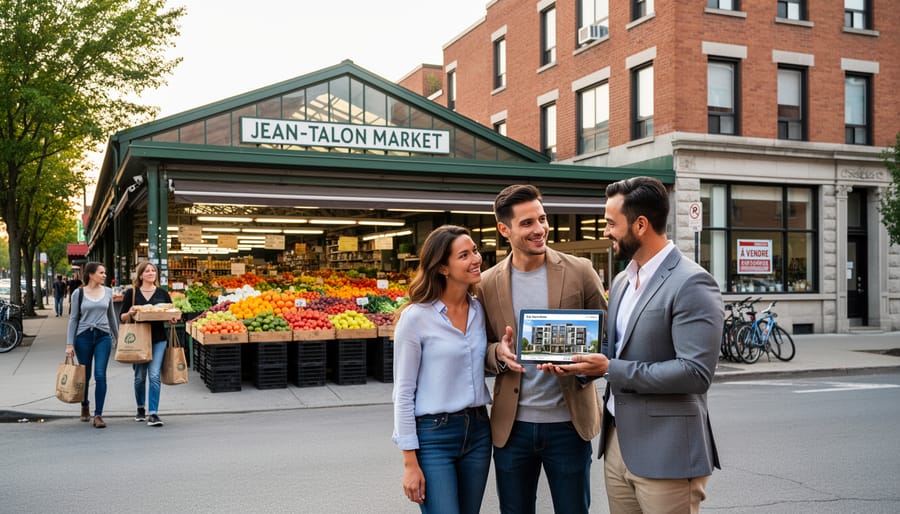
Your Investment Sweet Spot
Here’s the real talk: Montreal’s foodie neighborhoods offer serious bang for your buck compared to Toronto or Vancouver. You’re looking at condos starting around $350,000 in up-and-coming areas like Rosemont-La Petite-Patrie, where new bistros and craft breweries are popping up faster than you can say “terrasse season.” Mile End properties might run you $500,000 to $700,000, but you’re buying into an established culinary scene that keeps getting stronger.
The sweet spot? Look for older duplexes or triplexes near emerging food corridors. These multi-unit properties let you live in one unit while renting the others, basically having your tenants subsidize your mortgage while you enjoy weekend brunch crawls. Neighborhoods like Verdun and Saint-Henri are showing impressive growth potential, with property values climbing 15-20% over the past three years as chefs and restaurateurs transform former industrial spaces into dining destinations.
Pro tip from locals: properties within walking distance of Jean-Talon or Atwater markets hold their value incredibly well. Food culture isn’t just a trend here, it’s woven into the neighborhood’s DNA, making these investments particularly resilient.
Griffintown: The New Kid with Serious Culinary Ambition
The Food Scene Still Taking Shape
Griffintown’s culinary landscape is evolving rapidly, transforming from an industrial afterthought into one of Montreal’s most exciting food destinations. New breweries are popping up seemingly every season, with spots like Messorem Bracitorium crafting small-batch beers that pair perfectly with their wood-fired pizzas. The neighbourhood attracts innovative restaurateurs who see opportunity in its warehouse-chic aesthetic and growing residential base.
You’ll find everything from intimate wine bars tucked into converted industrial spaces to sleek café-bistros serving elevated brunch fare. The food scene here skews contemporary and experimental, with chefs unafraid to push boundaries while respecting Quebec’s culinary traditions. During warmer months, Montreal’s terrasse culture comes alive along Wellington Street and beyond, creating that unmistakable urban energy foodies crave.
The real gem? Griffintown sits just minutes from Atwater Market, one of Montreal’s premier public markets. Locals regularly bike or walk over to grab fresh produce, artisanal cheeses, and prepared foods from vendors who’ve been perfecting their craft for decades. This proximity means residents enjoy farmer’s market access without leaving the city core—a rare combination that property buyers with culinary aspirations absolutely value. As more food businesses discover Griffintown’s potential, early buyers are positioning themselves in what could become Montreal’s next major gastronomic hub.
Brand New Digs for Modern Foodies
Griffintown is where Montreal’s industrial past meets its sleek, food-forward future. This waterfront neighborhood has transformed into a condo haven, attracting young professionals who want their avocado toast within walking distance. Brand new glass towers dominate the skyline, many featuring rooftop terraces, fitness centers, and street-level restaurants that cater to residents who live to eat.
Expect to drop anywhere from $400,000 for a one-bedroom to $700,000+ for larger units with St. Lawrence River views. The typical buyer here? Tech workers in their late twenties to early forties who appreciate farm-to-table brunch spots like Nora Gray and craft breweries like Brewskey. The amenity packages are seriously impressive—think concierge services, bike storage, and communal kitchens perfect for hosting dinner parties.
What makes Griffintown special for foodies is its evolving dining scene. You’re not just buying into established restaurants; you’re investing in a neighborhood where new culinary concepts launch regularly, keeping your palate perpetually entertained.
Verdun: The Underdog Food Neighborhood You Can Actually Afford
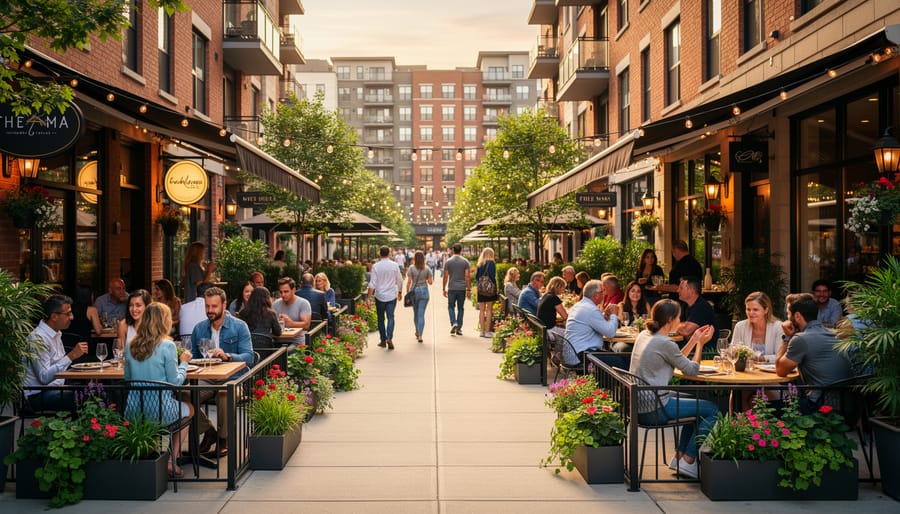
Wellington Street’s Glow-Up
Wellington Street has completely transformed from sleepy commercial strip to full-blown culinary destination, and honestly, it’s about time Verdun got its moment. The revitalization kicked off a few years back, but the momentum is absolutely electric right now.
Start your day at Arthurs Noisette, where the croissants are legitimately worth crossing town for, or grab a cortado at Rustique Pie, which doubles as a killer pie shop. The real game-changer? Brasserie Harricana, pumping out inventive Quebec-inspired brews that have beer nerds making the trek from across the city. Pair those with wood-fired pizzas from Wellington Pizza, and you’ve got yourself a perfect evening.
The Vietnamese food scene here deserves serious respect. Pho Lien brings comfort in a bowl, while newer spots like Pâtisserie Harmonie are fusing French pastry techniques with Southeast Asian flavors in ways that’ll make you rethink dessert entirely.
What sets Wellington apart from flashier foodie hoods? The neighborhood vibe remains refreshingly authentic. You’re not fighting Instagram crowds or paying Plateau premiums. Local regulars still pack these spots, creating that communal energy that makes Verdun feel like Montreal’s best-kept secret. Plus, with new openings announced regularly, this glow-up shows zero signs of slowing down. For property buyers, that translates to serious appreciation potential wrapped in excellent dining.
Where Your Money Goes Further
Little Burgundy offers some of the best bang for your buck among Montreal’s foodie-forward neighborhoods. You’ll find charming two-bedroom condos starting around $350,000—significantly lower than Plateau prices—with spacious Victorian-era walk-ups and newer loft conversions dominating the market. The neighborhood’s proximity to the Atwater Market and its exploding restaurant scene makes it a smart play for property buyers who want both affordability and culinary credibility.
What makes this area particularly exciting for investors is its trajectory. Ten years ago, locals called it sketchy; today, it’s Montreal’s hottest up-and-comer. Recent condo developments have attracted young professionals who appreciate being steps away from Joe Beef’s legendary dining empire without paying Old Montreal premiums. Property values here have climbed steadily by 8-10% annually over the past five years, and as more acclaimed restaurants open their doors, that trend shows no signs of slowing down. It’s where savvy buyers plant roots before everyone else catches on.
Making Your Move: What Foodie Buyers Need to Consider
So you’re ready to plant roots in a neighborhood where your heart (and stomach) feels at home? Smart move, but here’s the thing – you want to make sure your dream foodie hood stays delicious for years to come.
Start by digging into the staying power of your chosen neighborhood’s food scene. Check out how long those beloved bistros and cafés have been around. A mix of established spots and exciting newcomers? That’s your sweet spot. Talk to locals at the marché or your favorite dépanneur – they’ll give you the real scoop on whether the culinary vibe is growing or just a flash in the pan.
Walkability is huge. Use tools like Walk Score to see how many restaurants, grocers, and markets you can reach on foot. In Montreal winters, trust me, you’ll appreciate having that artisan bakery three blocks away instead of a twenty-minute drive. Map out your potential daily coffee run, weekend brunch spots, and go-to épicerie fine.
Speaking of markets, proximity matters. Whether it’s Jean-Talon, Atwater, or your neighborhood farmers market, easy access to fresh, local ingredients is non-negotiable for serious food lovers. Check market schedules and actually visit during different times to gauge accessibility.
Don’t skip the research on zoning regulations either. Future restaurant development can transform a quiet street into your personal restaurant row – or bring noise and parking headaches. Contact the arrondissement to understand what’s permitted.
Finally, balance is everything. Amazing restaurants won’t matter if your commute is brutal or the schools don’t work for your family. Create your must-have list beyond the food scene, then find where these priorities intersect. Your perfect neighborhood hits that sweet spot where great eats meet real life.
Here’s the truth about buying property in Montreal: the best investment isn’t just about square footage or proximity to the metro. It’s about waking up on a Sunday morning and knowing the perfect croissant is just around the corner. It’s about having that late-night dépanneur that knows your poutine order by heart. Montreal’s neighborhoods aren’t just places to live—they’re places to taste, explore, and truly experience.
Before you sign any paperwork, do yourself a favor: eat your way through your potential new hood. Grab a coffee at that corner café, chat with the fromager about local cheese, hit up the tacos joints on a Tuesday night. The vibe you get from those experiences will tell you more than any property listing ever could. Your future neighbors? They’re probably at that same terrasse right now.
Montreal’s food scene isn’t slowing down, and neither is the connection between culinary culture and property value. So whether you’re eyeing Mile End’s bagel-scented streets or Verdun’s waterfront bistros, trust your taste buds as much as your real estate agent. This city rewards those who appreciate both good food and good investments. Allez, time to start exploring—your perfect neighborhood (and maybe the best meal of your life) is waiting.
