
Eight-hour coffee is cold brew that’s been steeped for exactly eight hours, producing a lighter, brighter cup than the typical 12- to 24-hour versions you’ll find across Montreal. The shorter steep time extracts less caffeine and tannins, giving you a smoother, slightly sweeter drink without the heavy bitterness or jitters that can come from longer brews.
The method gained traction in specialty cafés around 2023 and has become a go-to for coffee lovers who want the convenience of cold brew without the intense punch. Instead of that syrupy, almost aggressive flavor profile, eight-hour coffee tastes cleaner and more tea-like, letting the beans’ natural fruit and floral notes come through. You get the cold brew ritual, the silky texture, but with a gentleness that works morning or afternoon.
What makes it worth knowing about? The eight-hour window is a sweet spot. It’s long enough to develop complexity but short enough to stay food-friendly and refreshing rather than overwhelming. In a city where café culture runs deep and experimentation is the norm, this technique has carved out space on menus from Mile End to Griffintown. Whether you’re chasing a less acidic option for your stomach or just curious about what happens when you pull the brew early, understanding the timing changes everything about the cup in your hand.
What 8 Hour Coffee Really Means
Eight hour coffee isn’t just cold brew with a timer, it’s a precision drip technique where ice-cold water passes through coffee grounds one drop at a time over exactly eight hours. You’ll hear baristas call it “8-hour drip” or “Kyoto-style coffee,” and if you’ve spotted those tall, sculptural glass towers at specialty shops around Mile End or the Plateau, you’ve seen the brewing method in action. The result is a smooth, concentrated coffee that tastes nothing like your standard cold brew.
The technique traces back to 1600s Japan, where Dutch traders introduced cold-extraction methods that Japanese coffee makers refined into an art form. Kyoto became synonymous with the slow-drip approach, which is why you’ll still hear it called Kyoto coffee today. Unlike regular cold brew, where grounds soak in water for 12 to 24 hours, 8 hour coffee uses controlled dripping. That distinction matters. Immersion brewing pulls out everything from the grounds over time, including harsher compounds. Drip extraction is selective, drawing sweet and fruity notes while leaving bitterness behind.
- Kyoto drip
- A cold-brewing method originating in Japan where water drips through coffee grounds at a controlled rate, typically over 8 hours.
- Cold extraction
- The process of brewing coffee with cold or room-temperature water instead of heat, resulting in lower acidity and smoother flavour.
- Drip rate
- The speed at which water passes through coffee grounds during brewing, usually measured in drops per second and critical to flavour balance.
- Coffee concentrate
- A strong, full-flavoured coffee solution that’s typically diluted with water, milk, or ice before drinking.
- Slow brewing
- Any coffee preparation method that extends extraction time beyond traditional techniques, prioritizing smoothness and complexity over speed.
In Montreal, you’ll find 8 hour coffee at dedicated third-wave roasters downtown and in neighbourhoods like the Plateau and Mile End, where coffee geeks have embraced the slow-coffee movement. It’s become a warm-weather favourite, cafés often brew it overnight and serve it by the glass during summer brunch rushes. If you’re hunting where to find cafés showcasing the method, look for places with visible brewing towers near the bar or menus listing “Kyoto drip” as a specialty pour.
How the 8 Hour Brew Works
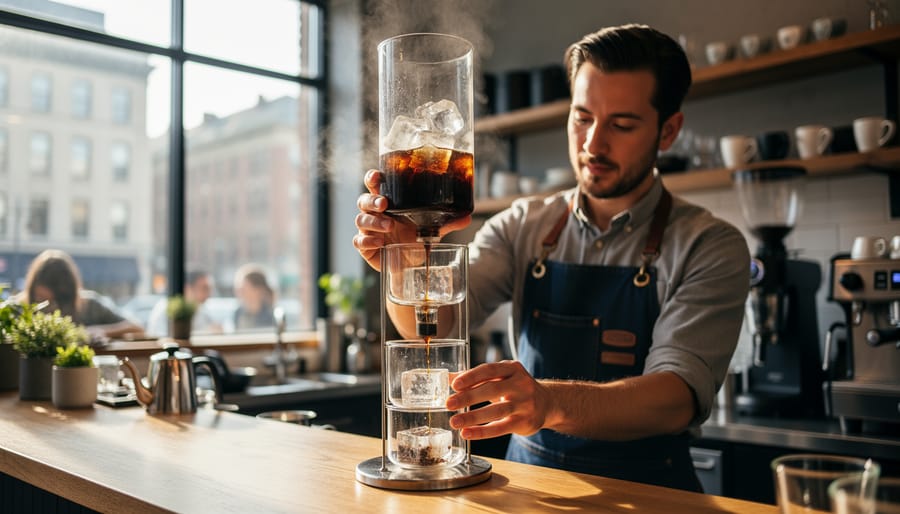
The mechanics behind 8 hour coffee are surprisingly straightforward, even if the setup looks like something out of a science lab.
Picture a tall glass tower split into three chambers stacked vertically. At the top sits a reservoir holding cold or ice water, some Montreal baristas swear by filtered St. Lawrence water, others use ice to keep temperatures steady throughout the brew. Just below that reservoir, a tiny valve controls the drip rate. This is where precision matters. Baristas adjust it so water releases at roughly one drop every one to two seconds. Too fast, and you get a watery mess. Too slow, and the grounds dry out between drops.
The middle chamber holds your coarsely ground coffee, usually 50 to 80 grams depending on the brewer size. As each drop hits the grounds, it carves a slow path through the bed, dissolving soluble compounds along the way. Here’s where the magic happens: cold water extracts differently than hot. High temperatures yank out bitter tannins and sharp acids quickly. Cold water, moving drop by drop, pulls the sweeter, fruitier notes, think stone fruit, chocolate, floral hints, while leaving most of the harsh stuff behind. The result drips into the bottom chamber, a concentrated brew that tastes nothing like the cold brew you steep in a Mason jar overnight.
Baristas constantly tweak three variables. Grind size controls surface area, too fine and water can’t flow, too coarse and flavours stay locked in. Coffee-to-water ratio shifts strength and body. Drip speed dictates extraction depth. Walk into a spot like Café Névé mid-brew and you’ll catch them checking the drip rhythm, sometimes adjusting the valve by fractions of a turn. It’s slow, fussy work, but that patience translates to a cup that’s smooth enough to sip straight, no sugar needed.
Types of 8 Hour Coffee Setups You’ll Find in Montreal
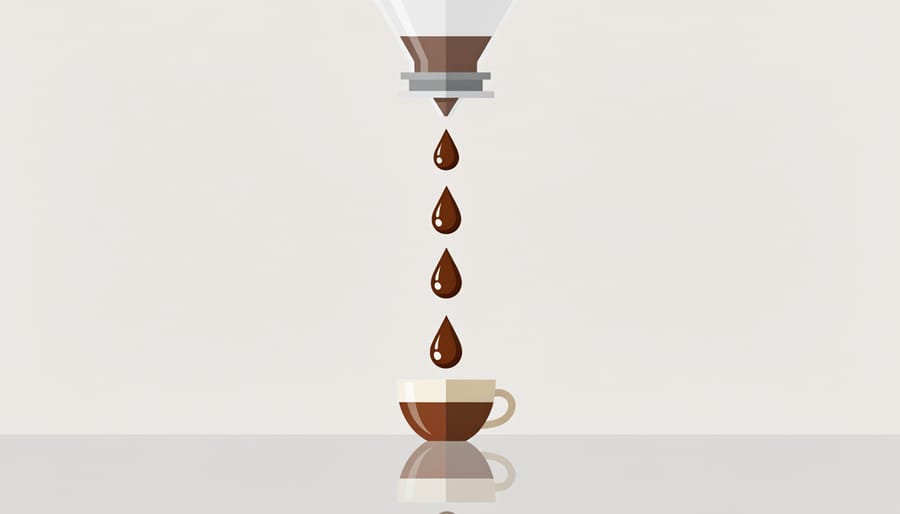
Walk into a place like Café Névé or any serious specialty shop in Mile End, and you’ll likely spot the showpiece: a towering Kyoto-style brewer that looks more like lab equipment than a coffee maker. These tall glass spirals, sometimes three feet high, anchor the counter with their slow, hypnotic drip. They’re beautiful to watch, but they’re also a statement about the café’s commitment to precision. Not every shop can justify the floor space or the $800-plus price tag, so you’ll find variations across the city.
The main setups you’ll encounter in Montreal include:
- Traditional Kyoto towers: Multi-chambered glass systems with adjustable drip valves, often displayed prominently at specialty cafés
- Compact countertop drippers: Smaller, cone-shaped brewers (like Hario or Yama models) that produce single batches for cafés with limited space
- Café-scale production systems: Larger, utilitarian setups in back rooms where roasters batch-brew for bottled retail sales
- Hybrid cold brew methods: Some shops modify the 8-hour technique, using partial immersion or recirculation pumps to speed extraction slightly
Beyond the hardware, the real diversity comes from what goes into the brewer. A roaster in Rosemont might run a bright Ethiopian single-origin through their tower, pulling citrus and berry notes that taste almost tea-like over ice. Head to a café in Old Montreal, and you’ll find a darker, chocolatey blend designed to work as a cocktail base, think espresso martini reimagined with cold drip instead of espresso. Some bartenders at spots in the Plateau cut 8-hour coffee with tonic water and a twist of grapefruit for a refreshing summer drink that’s become a menu fixture.
The Nordic-style roasters tend to go light, showcasing the coffee’s inherent sweetness and acidity, while more traditional Italian-leaning shops lean into caramel and cocoa profiles. It’s not just about the time, it’s about the beans, the roast, and the vision behind the bar.
Where and How Montreal Cafés Use 8 Hour Coffee
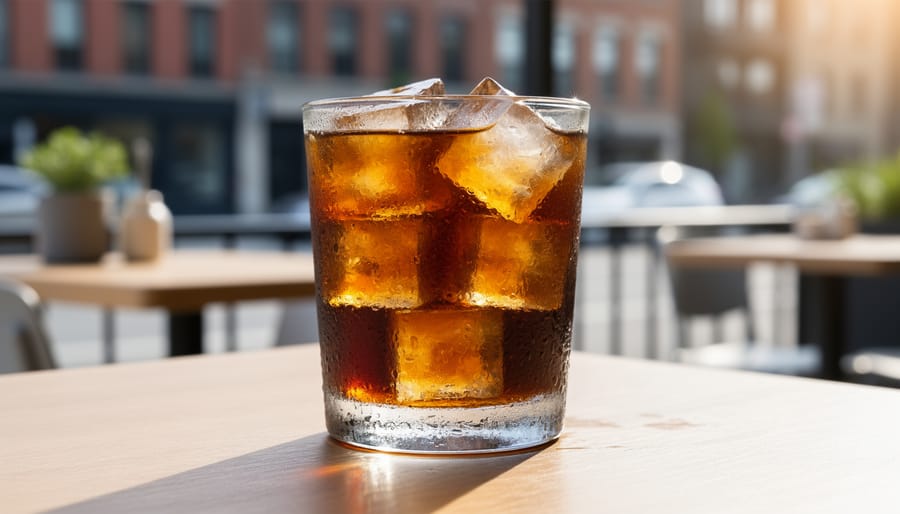
Walk into Café Névé on a July afternoon and you’ll spot the tower brewer behind the counter, its slow drip mesmerizing customers waiting for their orders. That’s 8 hour coffee at work in Montreal coffee culture served over ice in a tall glass, sometimes garnished with an orange peel or a sprig of mint. Specialty cafés across Mile End and Plateau treat it as a sipping coffee, meant to be savored like a fine wine rather than gulped down.
The technique really shines during brunch rushes, when the sweet, fruity profile cuts through rich eggs Benedict or complements almond croissants without the heaviness of hot coffee. Baristas often offer it as a cocktail base too, mixed with tonic water and lime at Saint-Henri Micro-Torréfacteur, or spiked with local gin at summer pop-ups. It’s become a warm-weather staple because the cold extraction keeps things refreshing while delivering complex flavor.
Expect to pay between $6 and $9 for a serving, reflecting the labor and time involved. Smaller roasters in Rosemont and Verdun are pushing the boundaries, experimenting with natural-process Ethiopian beans or aging the brew in oak barrels for a week. The best time to visit these hidden spots is weekday mornings when you can chat with the roasters themselves and watch the full drip cycle. When you order, ask what single origin they’re running, each batch tells a different story.
Common Questions About 8 Hour Coffee
Is 8 hour coffee stronger than espresso?
Not in the way you’d expect. It’s concentrated and more caffeinated per ounce, but it lacks espresso’s punchy intensity since the slow extraction skips the high-pressure process that brings out sharp, roasted flavours. You’ll get smoothness and sweetness instead of a bold kick.
Can you make 8 hour coffee at home?
Absolutely, though it requires patience and the right setup. You’ll need a slow-drip tower or a DIY rig that controls the drip rate precisely, one drop every second or two. Most Montreal cafés sell beans suited for cold extraction, and some roasters in Mile End will happily walk you through grind size and ratios.
How long does brewed 8 hour coffee last?
Store it in a sealed container in the fridge and it’ll stay fresh for up to two weeks. The flavour peaks within the first few days, so if you’re grabbing a bottle from a local spot during peak hours in Montreal drink it within a week for the best taste.
Why does it cost more than regular cold brew?
Time and labour. Baristas babysit the drip rate for eight straight hours, adjusting valves and monitoring extraction, while standard cold brew steeps unattended in a bucket overnight. You’re paying for precision and the café’s commitment to craft.
The biggest misconception? People assume it’s a caffeine bomb. While it does pack more caffeine per ounce than drip coffee because of the concentration, most cafés serve it diluted over ice or mixed with tonic, levelling things out. The difference between 8 hour drip and regular cold brew comes down to method, drip extraction teases out delicate fruit and floral notes through controlled contact time, while immersion brewing (where grounds sit in water for 12-24 hours) yields a heavier, more chocolatey body. Both are cold, both take time, but the drip version feels cleaner and brighter on the palate.
Eight-hour coffee is more than just another brewing method, it’s Montreal doing what Montreal does best: honouring craft while pushing boundaries. This slow drip technique brings together Japanese precision and the city’s restless creativity, turning patience into something you can taste. Whether you’re watching those hypnotic drops fall at a Mile End counter or sipping a glass on a Plateau terrasse, you’re experiencing coffee as ritual, not routine. So next time you’re caffeinating around town, skip the usual cortado and ask what’s in the Kyoto tower. Let it drip for eight hours, then let it surprise you. Montreal’s coffee scene has way more stories to tell than espresso alone.
