
Montreal’s coffee scene in 2026 offers everything from bustling European-style espresso bars to cozy neighborhood roasteries tucked into Mile End brownstones, with dozens of standout spots scattered across the Plateau, Old Montreal, and beyond. Finding the right café here depends on what you’re after: a quick cortado before work, a laptop-friendly space with killer pastries, or a third-wave micro-roaster pulling single-origin shots that taste like blueberries.
What makes this city different is the blend of French café culture and North American specialty coffee obsession. You’ll find baristas who trained in Melbourne working alongside spots that have been serving café au lait since the ’70s. The result? A coffee landscape that refuses to pick a lane, and that’s exactly what makes it worth exploring.
Montreal’s cafés also double as community hubs. In January, when the temperature drops to minus-twenty, a good café becomes your second living room. Come summer, terrasses spill onto sidewalks, and suddenly your iced latte comes with people-watching that rivals any European capital.
This guide breaks down the city’s best coffee shops by neighborhood, covering the iconic institutions everyone should visit at least once and the under-the-radar gems that locals guard like secrets. Whether you’re hunting down the perfect croissant-and-cappuccino combo in the Plateau or need a quiet corner in NDG to answer emails, you’ll find specific recommendations with the practical details that matter: wifi strength, seating situations, and what to order. Montreal does coffee seriously without taking itself too seriously, and that balance shows up in every cup.
What Makes Montreal Coffee Different
Walk into a Montréal café and you’ll notice something different right away. The barista switches effortlessly between French and English mid-order, the espresso machine sits beside pastries that lean more croissant than muffin, and the person at the corner table has been nursing a single café au lait for three hours without anyone batting an eye. This isn’t Toronto’s grab-and-go efficiency or Vancouver’s wellness-focused matcha aesthetic. Montreal coffee exists in its own category.
The city’s coffee identity stems from a collision of influences that shouldn’t work together but somehow do. French café culture, which treats coffee shops as extensions of your living room where lingering is expected, meets North American third-wave precision obsessed with origin stories and extraction ratios. The result is cafés where you can debate the terroir of Ethiopian beans while the table next to you plays cards in French for an afternoon. This importance of third places runs deep here, Montreal cafés function as neighborhood living rooms where community actually happens.
What really sets Montreal apart is its fierce resistance to homogenization. While other cities watch chains dominate their coffee landscape, Montreal’s cafés remain defiantly independent and hyperlocal. Each neighborhood develops its own coffee personality. Plateau spots embrace vintage chaos and intellectual pretension. Mile End roasters geek out over single-origin micro-lots. Even emerging areas like Rosemont and Verdun are building coffee identities distinct from downtown.
This neighborhood-centric approach means Montreal coffee culture never feels corporate or calculated. Cafés grow organically from their communities, reflecting the people who actually live there rather than some Instagram-ready aesthetic template. The bilingual banter, the acceptance of laptop campers and philosophical debaters alike, the understanding that good coffee and genuine gathering space aren’t mutually exclusive, that’s the Montreal difference.
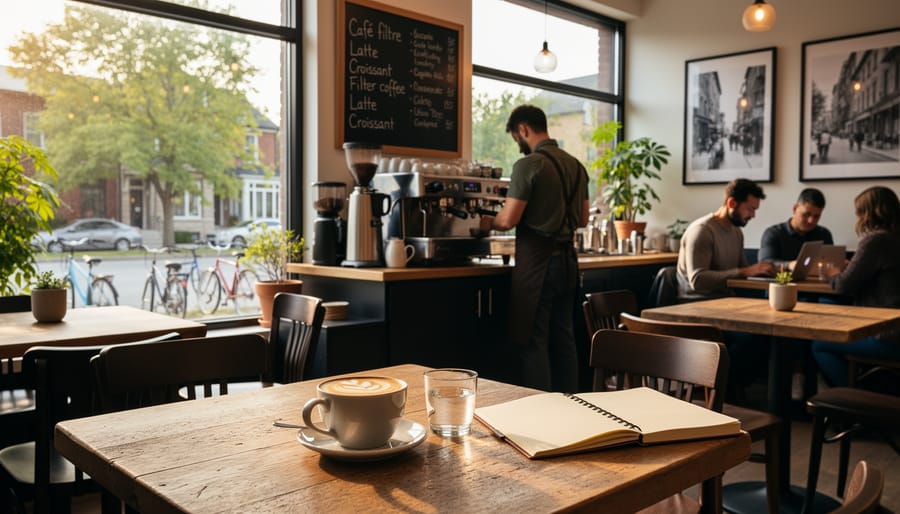
The Iconic Coffee Shops Every Montrealer Knows
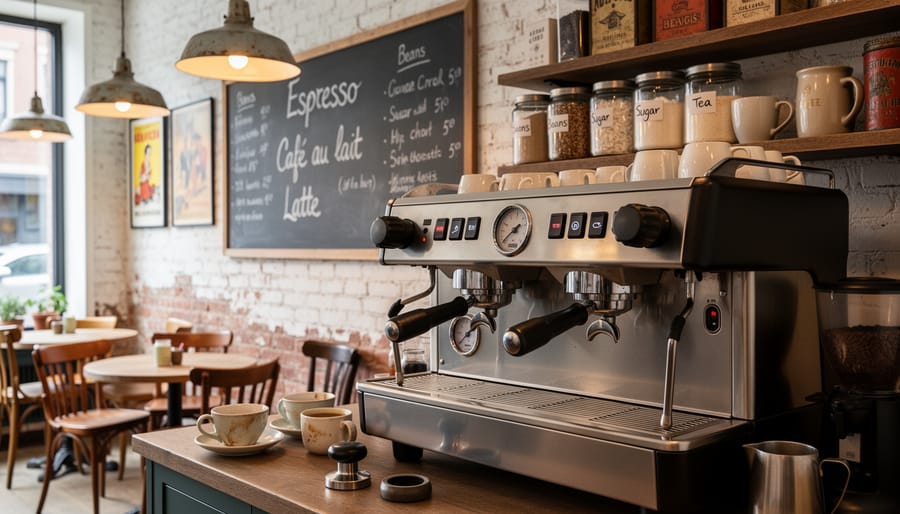
Le Plateau’s Coffee Royalty
Café Olimpico sits on St-Viateur like it’s been there forever, because it pretty much has. The vintage espresso machine gleams behind the bar while regulars chat in French and English over thick-rimmed cups of their legendary cappuccino. The foam here is dense and velvety, served without apology in classic ceramic. You’ll spot local artists sketching at corner tables, students buried in laptops, and old-timers reading Le Devoir. The place hasn’t changed its aesthetic in decades, and nobody wants it to.
A few blocks south, Café Névé draws the specialty coffee crowd with its bright, minimal space and rotating single-origin offerings. They roast their own beans and take the science seriously, expect tasting notes that actually match what’s in your cup. The baristas here will happily geek out about brew ratios and extraction times, but they’re approachable about it. The cortado is flawless.
Then there’s Pikolo Espresso Bar on Parc, where the Portuguese owners brought their family’s coffee traditions to Montreal and elevated them with third-wave technique. The espresso is pulled short and intense, Italian-style but with beans sourced from progressive importers. The narrow shotgun space fills up fast during morning rush, with customers spilling onto the sidewalk even in questionable weather. That’s Plateau coffee culture, quality you’ll stand outside for.
Mile End’s Roaster Scene
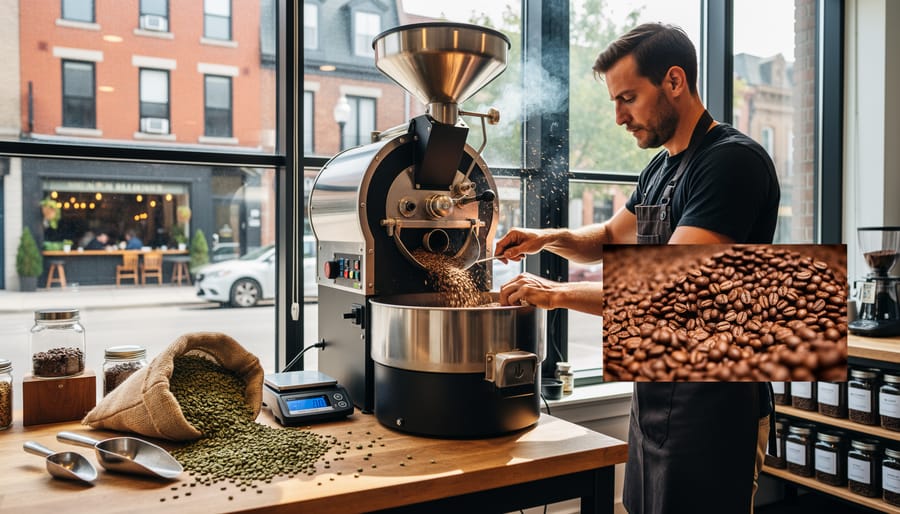
Mile End isn’t just where Montreal’s coffee purists hang out, it’s where they make pilgrimages. This neighborhood transformed into the city’s roasting epicenter because rent was cheap enough in the early 2000s for equipment-heavy operations, and the community was curious enough to embrace experimental brewing methods before they went mainstream.
Café Olimpico still packs sidewalk tables with regulars who’ve been ordering the same espresso for decades, but the real action happens at spots like 94 Celsius, where baristas pull shots with the precision of surgeons and customers debate extraction times like sports stats. The café doubles as a roastery, so the beans you’re drinking were probably roasted upstairs that week. They’ll happily geek out about their Ethiopian natural process if you ask, but they’re equally cool serving a simple cortado without judgment.
Saint-Henri Micro-Torréfacteur’s Mile End location feels more like a workshop than a café, exposed brick, minimal seating, bags of green beans stacked in corners. They pioneered the local roasting movement when most Montrealers still thought dark Italian roasts were the only option. Order their pour-over and you’ll taste why: bright, clean, complex flavors that change as the cup cools.
The neighborhood’s coffee culture runs deep enough that even the Portuguese bakeries have upped their espresso game to compete.
Old Montreal’s European Charm
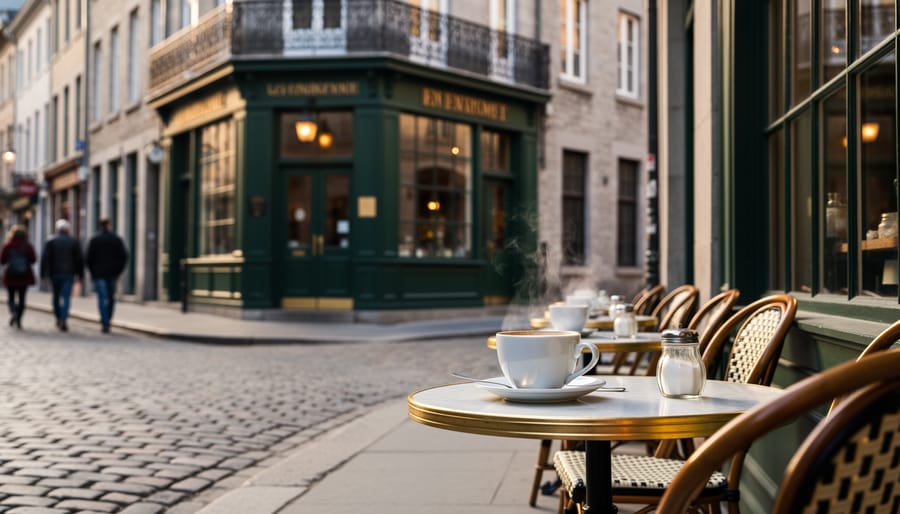
The cobblestone streets and 18th-century architecture of Vieux-Montréal naturally lend themselves to European-style coffee experiences, and the cafés here lean into that heritage without sacrificing quality for atmosphere.
Crew Collective & Café occupies the former Royal Bank building, and calling it impressive undersells it. You’re drinking a perfectly pulled espresso under a 50-foot coffered ceiling with floor-to-ceiling windows overlooking Place d’Armes. The space feels like drinking coffee inside a cathedral, but the baristas take their craft seriously, this isn’t just a pretty Instagram backdrop with mediocre beans. The building’s architecture does most of the heavy lifting, but the coffee holds its own.
For something more intimate, Tommy Café on McGill Street serves quality coffee in a space that feels like you’ve stepped into a Parisian side street. The exposed stone walls and tiny marble tables create that classic European café vibe, but the beans are locally roasted and the flat whites rival what you’ll find in Le Plateau.
Olive et Gourmandowhile technically more bakery than coffee shop, deserves mention because locals queue here for both their pastries and their coffee. The rustic French country aesthetic matches the neighborhood perfectly, and it’s become the spot where tourists and Montrealers actually mix, everyone’s united by wanting that almond croissant with a proper café au lait.
Hidden Gems You’ll Want to Keep Secret
The real Montreal coffee experience isn’t happening where everyone’s posting their lattes. It’s tucked into residential blocks where the barista knows your name by your third visit and the regulars treat the place like their living room.
Rosemont’s Best-Kept Secret: Café Larue & Fils
On a quiet stretch of Beaubien Est, this unassuming café serves some of the most meticulously pulled espresso in the city. Owner Marc Larue spent years perfecting his craft in Italy before returning to open a shop in his childhood neighborhood. The space holds maybe fifteen people, there’s no Wi-Fi password posted anywhere, and the pastries come from a Sicilian bakery three doors down. Locals come for the morning cortado and stay because Marc actually remembers you mentioned your sister’s wedding last Tuesday.
Verdun’s Community Hub: Fuze Café
Wellington Street has transformed over the past five years, but Fuze feels like it’s always belonged. The café doubles as a community art space, with rotating exhibitions from local artists covering the exposed brick walls. Their coffee program focuses on lighter roasts that let origin flavors shine, you’ll taste the difference in their Kenyan pour-over. What makes it special isn’t just the coffee, though.
The owner told me once, “We’re not trying to be the coolest spot in Montreal. We’re trying to be Verdun’s living room,” and you feel that the moment you walk in.
Families come in after dropping kids at school, elderly Portuguese neighbors chat over espresso, and freelancers claim the corner tables without anyone side-eyeing their laptop time.
NDG’s Understated Excellence: Humble Lion
Sherbrooke West near Hingston hides this narrow café that serious coffee people quietly revere. The team trained under some of Montreal’s best roasters before striking out on their own, and their obsessive attention to extraction temperature and grind size produces consistently exceptional espresso. The aesthetic is minimal, white subway tile, blonde wood, plants, but not sterile. They serve a rotating single-origin espresso and two filter options daily, with tasting notes that actually match what’s in your cup.
Hochelaga’s Rising Star: Café Pista
This neighborhood’s coffee scene is just hitting its stride, and Pista captures why Hochelaga feels exciting right now. The space occupies a former garage on Ontario Est, with industrial bones softened by vintage furniture and natural light. They’re serving Dispatch beans with serious skill, and their breakfast sandwiches have a cult following. Prices remain refreshingly reasonable, and you’ll hear more French than English, always a sign you’ve found a real neighborhood spot rather than a tourist attraction.
These cafés won’t show up on influencer guides. That’s precisely the point.
The Roasters Fueling Montreal’s Coffee Scene
When you order a cortado at that perfect Plateau café or grab an espresso in Mile End, there’s a good chance the beans came from one of Montreal’s own roasters. The city’s coffee scene runs deep because it’s built on a foundation of local roasting companies that take their craft seriously without taking themselves too seriously.
Café Saint-Henri has become Montreal’s most recognized name in specialty coffee, and for good reason. Their roasting facility in Saint-Henri pumps out beans that balance approachability with sophistication. They’re not chasing ultra-light Nordic roasts or aggressively dark Italian profiles, instead, they’ve carved out a middle path that highlights origin characteristics while delivering the body and sweetness Montreal palates love. You’ll find their bags in dozens of independent cafés, and their own locations across the city serve as coffee education centers where baristas actually want to talk about what you’re drinking.
Dispatch Coffee operates from a former auto garage in Hochelaga, and their industrial-chic space tells you everything about their approach. They’re the geeks of Montreal’s roasting scene, constantly tweaking profiles and sourcing rare lots that other roasters overlook. Their espresso blend changes with the seasons because they refuse to compromise quality for consistency, which means your regular order might taste different next month, and that’s the point. You’ll find Dispatch beans at cafés that cater to the true coffee nerds, places where brew ratios matter.
94 Celsius brings a European sensibility to their roasting, which makes sense given the founders’ backgrounds. They’re smaller than Saint-Henri but punch above their weight in quality, focusing on direct trade relationships and meticulous roasting that preserves delicate flavors. Their cafés in Rosemont and elsewhere double as showcases for how good their beans can taste when prepared properly.
Pikolo Espresso Bar roasts in-house for their own locations, creating blends specifically designed for their menu. It’s a closed loop that gives them complete control, and you taste that intentionality in every cup.
These roasters aren’t just suppliers, they’re the reason Montreal’s independent café culture thrives while chains struggle to gain foothold.
Coffee Shop Hopping by Neighborhood
Planning a coffee crawl is one of the best ways to experience Montreal’s different personalities. Each neighborhood has its own rhythm, and the cafés reflect that.
| Neighborhood | Vibe | Best For | Top Picks |
|---|---|---|---|
| Le Plateau | Artsy, bohemian | Laptop work, people-watching | Névé, Café Olimpico |
| Mile End | Craft-focused, hip | Coffee geeks, weekend hangouts | Dispatch Coffee, Café Myriade |
| Old Montreal | Historic, touristy | Dates, special occasions | Crew Collective, Tommy |
| Griffintown | Modern, polished | Remote work, meetings | Humble Lion, Crew (new location) |
| Rosemont | Residential, authentic | Quiet mornings, local immersion | Caffè San Simeon, Gamba |
The Plateau deserves a full morning. Start around Mont-Royal Avenue where you can hit three quality spots within a 15-minute walk. The neighborhood’s tree-lined streets and colorful row houses make the route as enjoyable as the coffee itself. You’ll see locals reading French novels, freelancers camped out with laptops, and the occasional heated chess game.
Mile End works best as an afternoon crawl. The cafés here are tighter, more focused on the craft. You’re not getting cushy seating or all-day hangout vibes, but you’re getting some of the city’s most carefully dialed-in espresso. Walk off your caffeine along Saint-Viateur or Fairmount, grab a bagel, then loop back for another round.
Old Montreal feels different. The stone buildings and cobblestone streets create a European atmosphere that tourists love, but locals come here too when they want to impress someone or treat themselves. The cafés lean upscale, prices reflect the postal code, and you’ll actually want to dress up a bit. Plan this one for a Saturday afternoon date or a Sunday brunch situation.
Griffintown has become the spot for the condo crowd and remote workers who want reliable wifi, good lighting, and coffee that doesn’t compromise. It’s less about discovering hidden gems and more about consistent quality in a neighborhood that barely existed a decade ago.
For the real local experience, venture into Rosemont or Petite-Patrie. These residential neighborhoods have cafés that serve the people who live there, which means reasonable prices, regulars who know each other’s names, and zero pretension. You won’t find them on tourist lists, which is exactly the point.
What to Order Like a Local
Start with “un café” if you want an espresso, not “an espresso”, it’s the baseline order that signals you know the drill. When you’re ready to level up, ask for an allongé (a long espresso with hot water added, not quite an Americano) or a noisette (espresso with just a touch of milk). These drinks dominate local orders far more than the lattes and cappuccinos tourists default to.
Skip the sizing dance entirely. Most Montreal cafés don’t do tall-grande-venti nonsense. You’ll order small, medium, or large, or more likely, you’ll just order by drink name and take what comes. The barista knows the right size.
Bonjour before anything else. Walk in, make eye contact, say bonjour. Then order in whichever language feels comfortable, most baristas switch seamlessly. If your French is shaky, “Un café au lait, s’il vous plaît” gets you surprisingly far, and nobody will judge a sincere attempt. What will get you side-eye is launching straight into English without acknowledging the greeting ritual.
In spring and fall, watch for house-made syrups that rotate with the seasons, maple isn’t just a tourist gimmick here when it’s done right, and you’ll find cardamom, lavender, or brown butter variations that never touch a Starbucks menu. Summer brings cold brew variations, but the real locals stick with iced espresso drinks rather than the diluted cold brew most American chains push.
Don’t ask for oat milk like it’s exotic. It’s standard now, often the default alternative, and half the cafés make their own nut milks in-house. When you see lait d’avoine or lait d’amande on the board, that’s your cue.
Montreal’s coffee scene isn’t just about finding the perfect espresso, it’s about discovering spaces that feel like yours. The city’s cafés mirror Montreal itself: fiercely independent, unapologetically bilingual, and built around the idea that community matters more than chains ever could.
You’ve seen how each neighborhood shapes its coffee culture differently. The Plateau’s artistic hangouts, Mile End’s roaster havens, the hidden gems in Verdun that locals guard jealously, they all exist because Montrealers believe cafés should be gathering places first and businesses second. That’s the European influence meeting North American coffee obsession, filtered through Montreal’s distinct character.
The best part? This guide just scratches the surface. Every season brings new roasters experimenting with single origins. Every month, some unassuming corner spot in Rosemont or Hochelaga transforms into someone’s new favorite morning ritual. Your perfect café might be one we didn’t mention, the one with that specific corner table where the afternoon light hits just right, where the barista remembers your order, where you can work for hours or just watch the street outside.
That’s your invitation. Skip the obvious Google results next time. Wander into that place on your block you’ve walked past a hundred times. Order something you can’t pronounce. Find your third place. Montreal’s coffee culture exists because people like you keep choosing local, keep exploring, keep making these spaces matter.
